
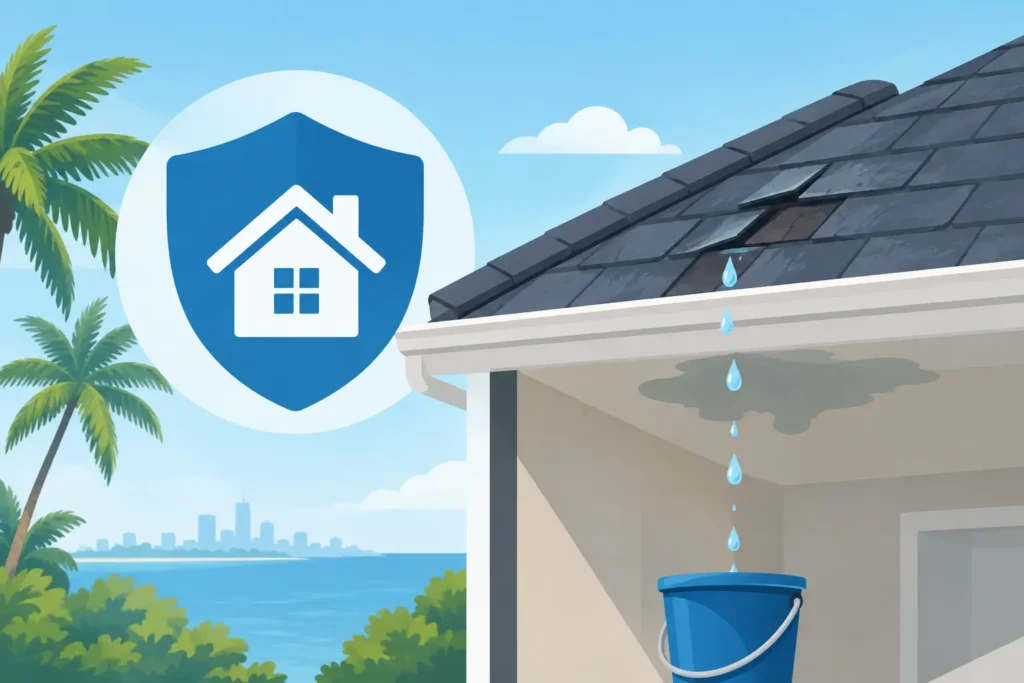
A ceiling stain after a Florida downpour is never just a cosmetic problem. Water can travel along roof decking, framing, insulation, and drywall before it becomes visible indoors. The question homeowners and property managers ask next is understandable: will insurance cover roof leaks? The answer usually depends on what caused the leak, the condition of the roof before the damage, and how quickly you take steps to limit further loss.
A roof leak caused by a sudden, covered event may be eligible for coverage. A leak tied to age, neglected maintenance, or long-term wear is often not. Knowing the difference can help you make a stronger claim and make the right repair decision before a small opening becomes a major restoration project.
When will insurance cover roof leaks?
Most homeowners and commercial property policies are designed to cover sudden and accidental damage from a covered peril. In Florida, that can include wind-driven rain that enters after a storm damages shingles, tiles, flashing, roof vents, or another part of the roofing system. Falling tree limbs, hail, lightning, and fire may also trigger coverage when they create an opening that allows water inside.
For example, if high winds lift shingles during a storm and rainwater enters through the exposed area, your policy may cover the resulting interior damage and may contribute to necessary roof repairs. If a branch punctures a flat commercial roof during a severe weather event, the damage may also be covered, subject to the policy terms and deductible.
The key is the cause. Insurers generally look for evidence that a specific covered event damaged an otherwise maintained roof. They also assess whether water entered through that storm-created opening or whether the leak existed before the event.
Coverage is never automatic. Policies vary, exclusions can be significant, and deductibles may change what makes financial sense. Florida policies may also carry separate hurricane or windstorm deductibles that are much higher than a standard all-peril deductible.
What insurance usually does not cover
Insurance is not a maintenance plan. Roofs naturally age under Florida sun, salt air, humidity, heavy rain, and seasonal storm activity. When a leak results from gradual deterioration rather than a sudden event, an insurer will often deny the roof portion of the claim.
Common reasons for denial include worn or brittle shingles, deteriorated sealant, rusted flashing, clogged drains on a flat roof, poorly maintained gutters, long-term ponding water, and leaks that were ignored for months. A policy may also exclude faulty workmanship or defects in materials, although resulting interior damage may be treated differently under some policies.
That distinction matters. A roof could have pre-existing wear and still suffer new storm damage. In that case, the insurer may pay only for the portion linked to the covered loss, not for upgrading or replacing every aging component. This is where a professional inspection and clear documentation can make a real difference.
The roof’s age and condition matter
Insurers commonly consider roof age, material type, maintenance history, and prior repairs. An older roof is not automatically uninsured, but it may be subject to different settlement terms. Some policies pay replacement cost value, while others pay actual cash value, which factors in depreciation.
That can create a substantial gap. Replacement cost coverage may pay the covered cost to restore damaged materials, after the deductible and policy conditions are met. Actual cash value coverage may pay less because the insurer subtracts depreciation for the roof’s age and prior condition.
A well-maintained 12-year-old roof damaged by a documented wind event may be viewed very differently from a 12-year-old roof with curled shingles, recurring leaks, and no maintenance records. For commercial buildings, maintenance logs, service invoices, and inspection reports can be especially valuable when a claim involves a low-slope or flat roof.
What to do as soon as you find a leak
Your first priority is protecting people and limiting water damage. Move furniture and electronics away from the affected area, place containers beneath active drips, and use towels to contain standing water. If the ceiling is sagging, stay clear of it. Waterlogged drywall can fail without much warning.
Then document what you see before cleanup changes the scene. Take photos and video of ceiling stains, wet insulation, damaged belongings, visible roof damage, and water entering the building. If a storm has just passed through, save local weather alerts and note the date and approximate time the leak appeared.
Next, contact a qualified roofing contractor for an inspection and temporary protection if necessary. Emergency tarping or other reasonable measures can help prevent additional damage. Do not climb onto a wet or storm-damaged roof yourself. It is dangerous, and an accidental misstep can worsen the damage.
Prompt action also matters to insurers. Most policies require policyholders to mitigate further damage. That does not mean you should start a full roof replacement before the claim is inspected. It means taking sensible steps to stop active water intrusion while preserving proof of the condition.
How to support a roof leak claim
A clear claim file tells the story from the weather event to the visible damage. Start by reviewing your policy declaration page, deductible, and any roof, wind, water, or hurricane endorsements. Then report the claim to your carrier as soon as practical.
Keep every estimate, invoice, inspection report, photo, and communication in one place. If emergency repairs are needed, ask for an itemized invoice and retain receipts for materials and services. A detailed roofing inspection should identify the location and type of damage, the affected materials, signs of wind or impact damage, and recommended repairs.
Avoid guessing about the cause when speaking with the carrier. Describe the facts: when the storm occurred, when you noticed the issue, what you observed, and what temporary steps were taken. If an adjuster visits, be available if possible, and consider having your roofing professional present to point out documented damage and answer roofing-specific questions.
Do not discard damaged materials until the insurer advises you that it is appropriate. Those materials can be evidence, particularly when wind, hail, or impact damage is involved.
Residential and commercial claims are not identical
Homeowners are often focused on protecting interiors, personal belongings, and the cost of restoring their roof. Commercial owners and facility managers must also consider tenant safety, business interruption, equipment protection, inventory, and the performance of larger drainage systems.
Flat and low-slope roofs deserve special attention. A leak may originate far from the interior water stain, especially when water travels beneath a membrane or through insulation layers. Ponding water, open seams, damaged penetrations, and clogged drains can complicate the cause of loss. A thorough inspection can separate storm-related damage from maintenance concerns and identify the fastest path to keeping operations protected.
When repair makes more sense than replacement
Not every covered leak requires a complete roof replacement. If damage is isolated and matching materials are available, a targeted repair may be the most practical solution. It can restore protection quickly, reduce disruption, and address the immediate source of water intrusion.
Replacement may be the better investment when storm damage is widespread, the roof has reached the end of its service life, repairs would be repeated, or code requirements affect the scope of work. Your insurance settlement may cover only the storm-related damage, while you choose to invest in broader upgrades for durability, energy efficiency, or long-term peace of mind.
That is why an upfront, detailed estimate matters. You need to understand what is necessary to stop the leak, what may be covered by insurance, and what optional improvements could protect the property going forward.
A faster inspection can protect your claim and your property
Waiting to investigate a leak rarely improves the outcome. Florida’s heat and humidity can turn trapped moisture into mold growth, damaged insulation, weakened decking, and costly interior repairs. The longer water remains in the building, the harder it can be to document the original source.
Florida’s Roofing & Construction Group helps homeowners and commercial property owners identify storm damage, secure vulnerable roof areas, and understand the repair options in clear terms. Whether the issue is a missing shingle, a compromised flashing detail, or a damaged flat-roof membrane, a professional inspection gives you facts to work with before water damage spreads.
If you suspect a storm caused your roof leak, act quickly, document carefully, and get qualified eyes on the roof. Protecting the building now gives you the best chance to protect its value later.