
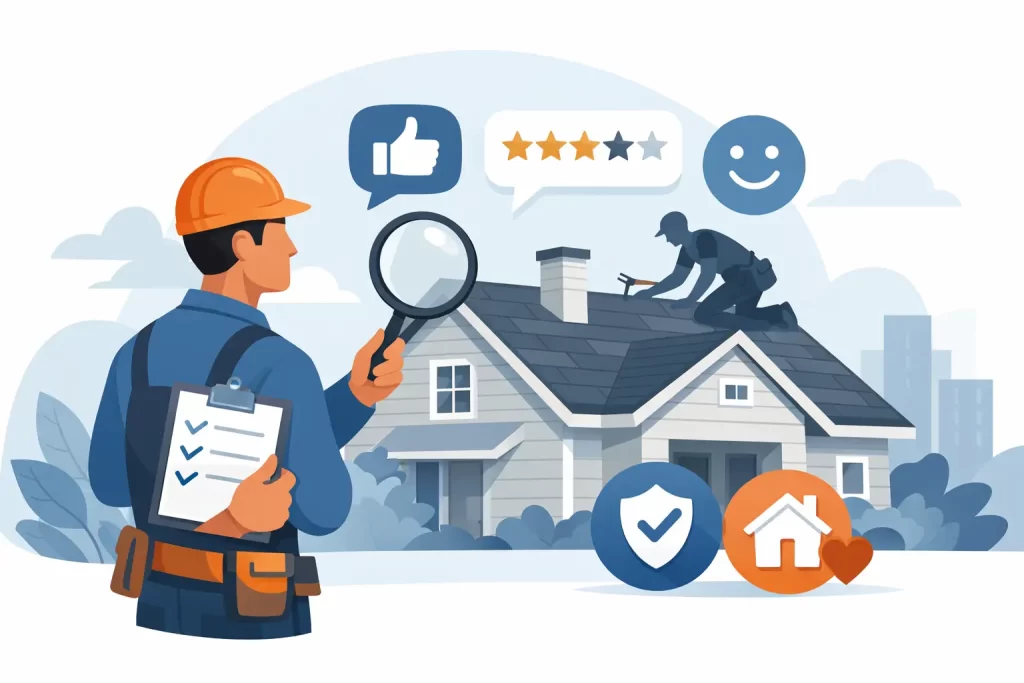
A five-star rating can be reassuring after a storm, but it should never be the only reason you trust someone with your roof. The most useful roofing contractor reviews reveal what happened after the first phone call: whether the contractor showed up, explained the damage clearly, protected the property during work, and stood behind the finished roof.
For Florida homeowners and commercial property owners, those details matter more than a polished profile or a long string of vague compliments. A roof has to handle intense sun, wind-driven rain, humidity, and hurricane-season pressure. The contractor you choose needs to be ready for those conditions, not simply ready to sell a replacement.
Read Roofing Contractor Reviews for the Details
Start by looking past the overall score. A company with hundreds of reviews and a strong average often provides a clearer picture than one with only a handful of perfect ratings. More importantly, read a representative sample of recent comments, including a few lower-rated reviews and the company responses to them.
Specific reviews are more valuable than general praise. “Great job” is nice to see, but it does not tell you much about project management. Look for customers who mention the type of work performed, such as a leak repair, shingle replacement, tile roof work, flat-roof service, gutters, or storm-damage restoration. Then look for details about communication, timelines, cleanup, pricing, and follow-through.
A review from a homeowner who had a roof replaced two years ago can be especially useful because it may describe how the roof has performed over time. For commercial buildings, feedback about minimizing business interruption, coordinating with facility staff, and addressing flat-roof drainage issues deserves close attention.
You should also consider whether the reviewer’s project resembles yours. A fast repair after a small leak is not the same as a full reroof after hurricane damage. One-day installation may be possible on many straightforward projects, while larger homes, specialty materials, structural repairs, permitting, or weather delays can change the schedule. Honest reviews recognize those differences rather than promising that every job will follow the same timeline.
What Strong Reviews Usually Have in Common
Reliable feedback tends to repeat a few themes. Customers describe a contractor who answers the phone, arrives when promised, provides a clear estimate, and keeps them informed if conditions change. They also mention crews treating the home or business with respect, using appropriate protection around landscaping and exterior features, and removing nails and debris when the work is done.
Pay close attention to how reviewers describe pricing. The lowest proposal is not automatically the best value, particularly if it leaves out ventilation improvements, damaged decking, underlayment, flashing, permit costs, disposal, or warranty information. Positive reviews often mention that the estimate was explained upfront and that any necessary change was documented before additional work moved forward.
For Florida properties, storm response is another meaningful signal. When water is entering a home or a commercial building, waiting days for a callback can turn a manageable repair into damaged insulation, stained ceilings, mold concerns, or disrupted operations. Reviews that mention responsive emergency service, temporary protection, and a clear repair plan can help distinguish a prepared local contractor from one that is hard to reach when the weather turns.
Credentials also deserve more weight than star ratings alone. Look for a properly licensed and insured contractor, established local operations, manufacturer credentials where relevant, and a clear explanation of available workmanship and material warranties. A preferred contractor designation can indicate training and manufacturer relationships, but it should complement, not replace, your own evaluation of the estimate and scope of work.
Watch for Patterns, Not One-Off Complaints
No established contractor will make every customer happy. Construction work is complex, storm damage can expose hidden problems, and scheduling sometimes shifts because Florida weather does not follow a calendar. A single complaint is less telling than a pattern of similar complaints.
Be cautious if multiple reviewers report surprise charges, missed appointments, poor cleanup, unfinished punch-list items, pressure to sign immediately, or trouble getting warranty service. Those issues can signal a process problem. On the other hand, a contractor’s response to criticism can be revealing. A professional response acknowledges the concern, avoids personal arguments, and explains how the company tried to resolve it.
It is also wise to recognize that not every negative review tells the full story. Insurance deductibles, policy exclusions, permit requirements, and pre-existing structural damage can create frustration even when a contractor has communicated appropriately. Use reviews as evidence to investigate, not as the final verdict.
Use Reviews to Ask Better Questions
The best outcome from reading reviews is a smarter estimate appointment. If customers consistently praise a contractor’s communication, ask who your day-to-day contact will be and how project updates are handled. If reviews mention quick installations, ask what preparation is needed and what factors could extend the schedule.
Request a written scope that identifies the roofing system, materials, underlayment, flashing, ventilation, tear-off or overlay details, disposal, permits, payment schedule, and warranty terms. If your project involves storm damage, ask how the contractor documents damage and whether temporary emergency repairs are available while permanent work is scheduled.
For business owners and facility managers, ask how the crew will protect entrances, tenants, inventory, parking areas, and normal operations. Flat roofs require particular attention to drainage, penetrations, seams, and equipment curbs. A review that says a commercial job was completed quickly is encouraging, but your contractor should still explain how the plan fits your building and your operating hours.
If you are comparing roof replacement with repair, do not expect reviews to make that decision for you. A trustworthy contractor should inspect the roof and explain the condition honestly. Targeted repair may be the right choice for a newer roof with a localized issue. Replacement may provide better long-term protection when widespread wear, recurring leaks, aging materials, or storm damage affect the system as a whole.
Be Careful With Red Flags That Look Like Convenience
Some review profiles create urgency without providing substance. Be wary of identical wording across multiple reviews, a sudden flood of ratings with no project details, or claims that a contractor can start immediately without inspecting the property. Fast service is valuable, especially after severe weather, but a professional contractor still needs to assess the roof, define the work, and provide clear terms.
Door-to-door offers following a storm also deserve extra scrutiny. Local expertise, emergency availability, and a prompt inspection are good things. Pressure to sign before you have reviewed a written estimate, checked credentials, or discussed insurance responsibilities is not.
A dependable contractor makes the decision easier by being transparent, not by making you feel rushed. Florida’s Roofing & Construction Group approaches roofing and exterior work with that standard in mind: explain the condition, present practical options, and help property owners protect what matters without unnecessary confusion.
Reviews Matter Most After the Work Is Done
The real value of a contractor is not limited to installation day. A roof should continue protecting your home or business through heavy rain, heat, and changing seasons. That is why post-project comments about warranty support, responsive repairs, and long-term satisfaction can carry more weight than reviews written the afternoon a crew leaves.
Before signing, take one final look at what recent customers say about communication after payment, not just before it. Then choose the contractor that gives you confidence in the scope, the materials, the workmanship, and the people you will call if you need help later. A well-protected property starts with a contractor who earns trust in the details.